
NIDO MAREA

Cagliari · Sardinia

Where little mindsmeet a wider world.

Nido Marea is an independent bilingual nursery and preschool in Cagliari, created for children to explore, imagine and grow at their own rhythm.

  • Ages

    6 months–6 years

  • Languages

    Italian + English

  • Place

    Cagliari, Sardinia

  • Places

    Limited places available

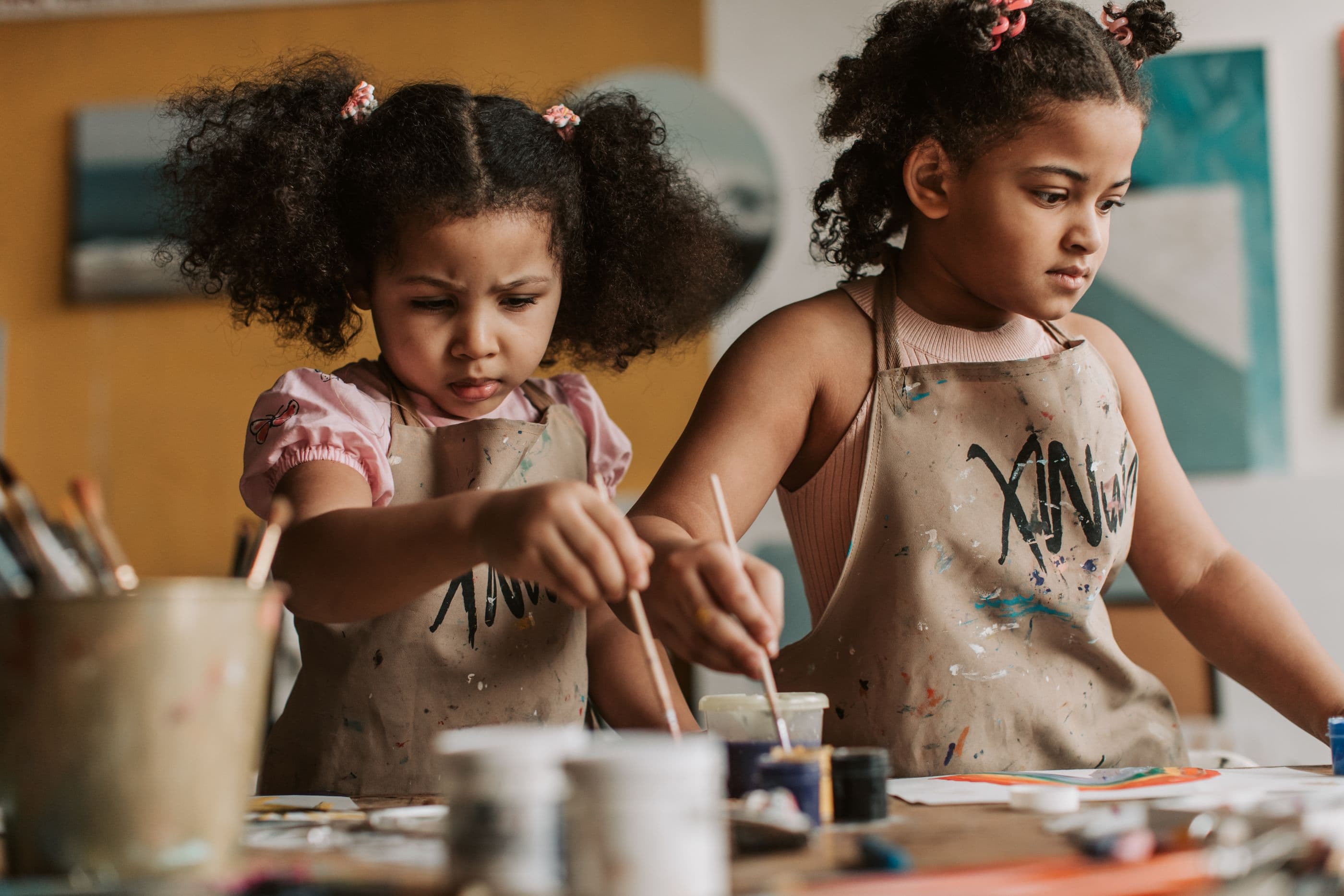
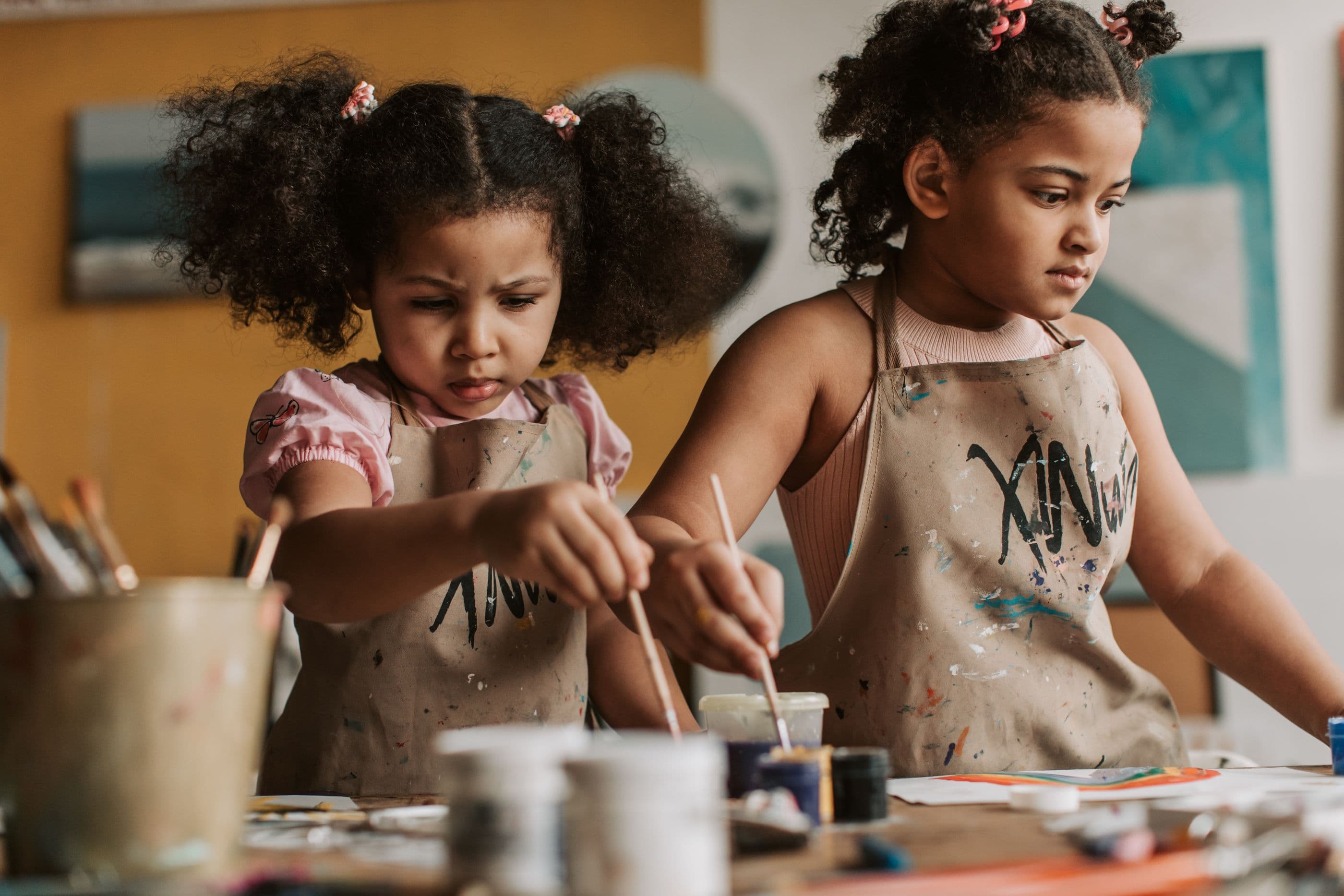
Two children painting at a shared table, looking at their work rather than the camera.
Bilingual educationReggio-inspired learningFresh daily mealsSmall groupsOutdoor discoveryQualified educatorsBilingual educationReggio-inspired learningFresh daily mealsSmall groupsOutdoor discoveryQualified educators

Opening

Childhood is not preparation for life. It is life.

At Nido Marea, children are treated as capable, curious individuals. They learn through relationships, movement, experimentation and play — not by being hurried toward a later version of themselves.

Used brushes and colour laid out after a morning in the light studio.
The light studio, late morning

Programs

Two rooms.One house.

Groups stay small. Educators stay. The Nest and The Atelier share a garden, a kitchen and a way of paying attention.

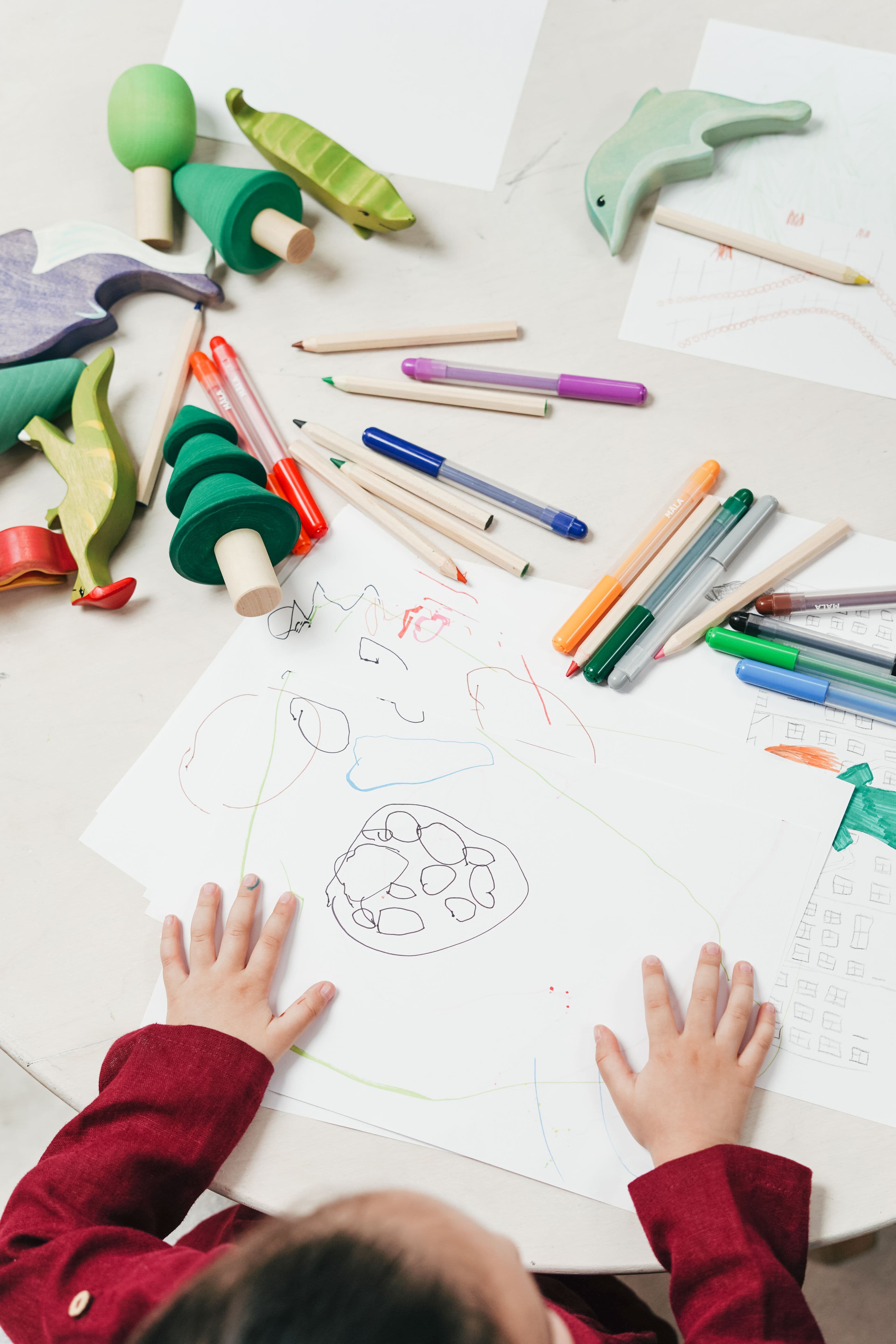
A child’s hands on a drawing, wooden toys and pencils on the table.

6–36 months

The Nest

A calm, nurturing beginning built around secure relationships, sensory discovery and each child’s natural rhythm.

Age range
6–36 months
Group size
8 children
Typical hours
08:00–16:30
Educational focus
Secure relationships and sensory discovery
Explore the program
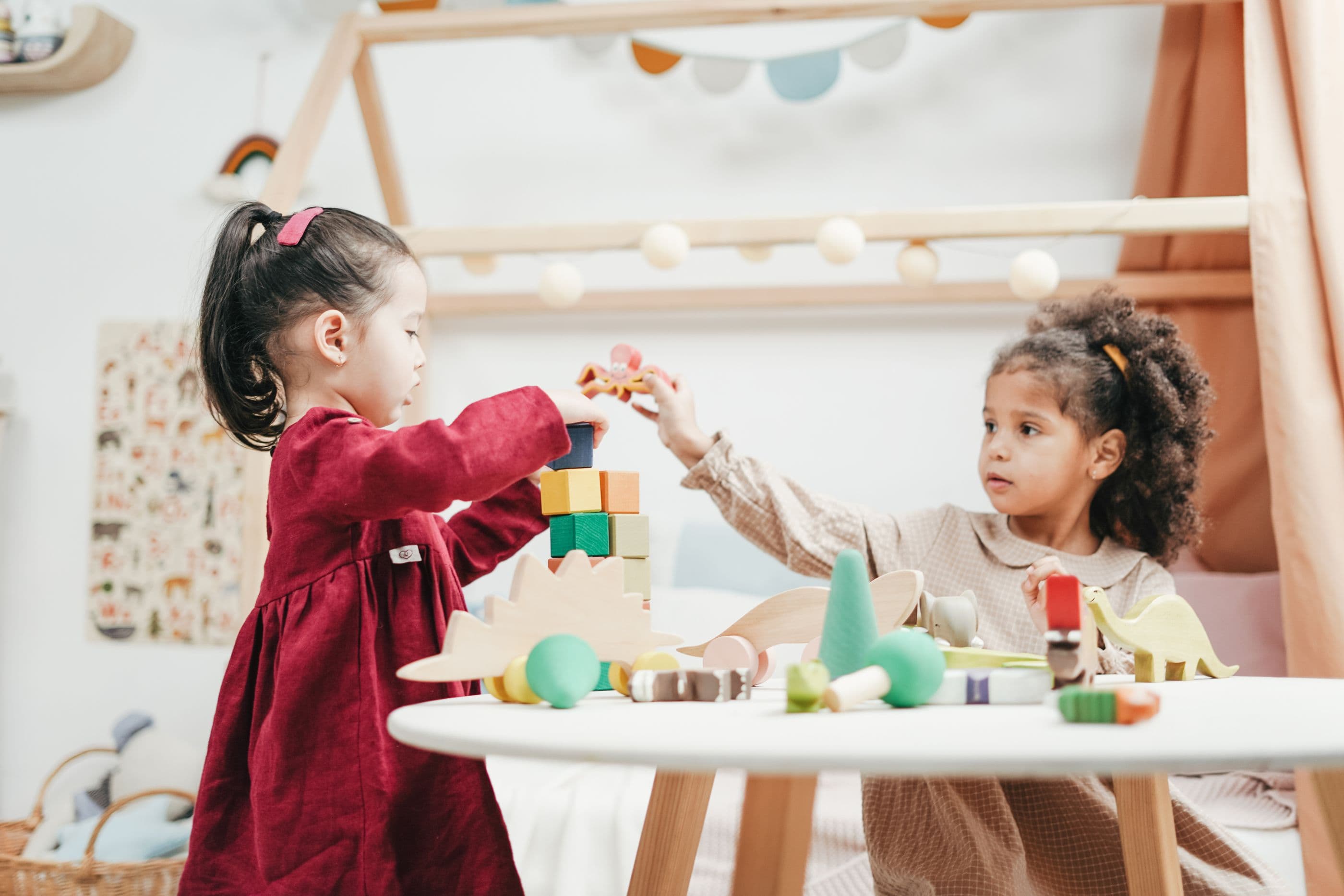
Two children building with wooden blocks, facing the work rather than the camera.

3–6 years

The Atelier

A creative preschool environment where questions become projects and children learn through a hundred different languages.

Age range
3–6 years
Group size
16 children
Typical hours
08:00–16:30
Educational focus
Projects, languages and making
Explore the program

Our approach

Curiosity leads.We follow closely.

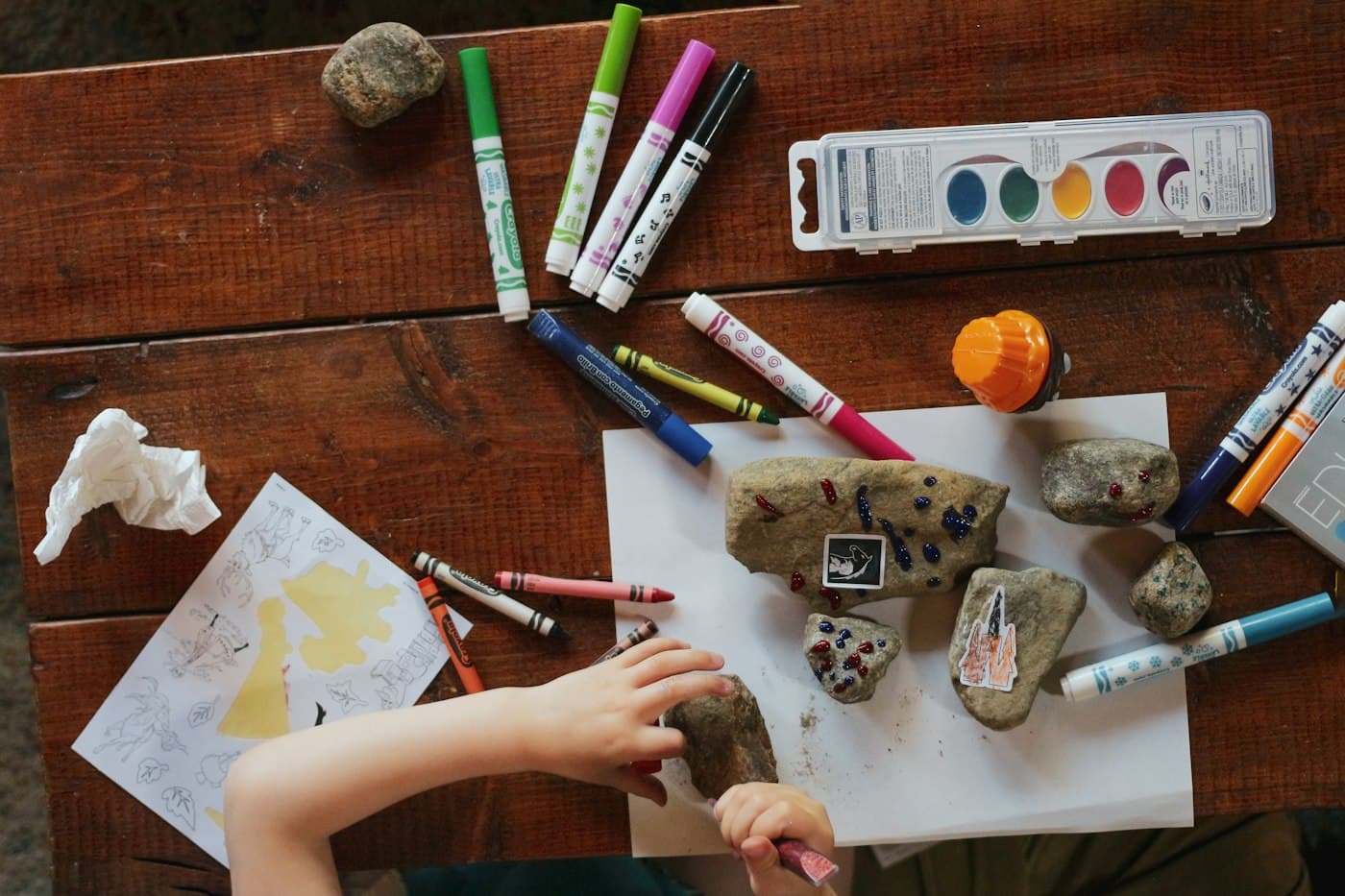
A child’s hands arranging stones, crayons and paper on a wooden table.

01

The child as protagonist

We begin from the belief that children arrive already capable. Educators observe, document and offer materials — they do not rush a conclusion.

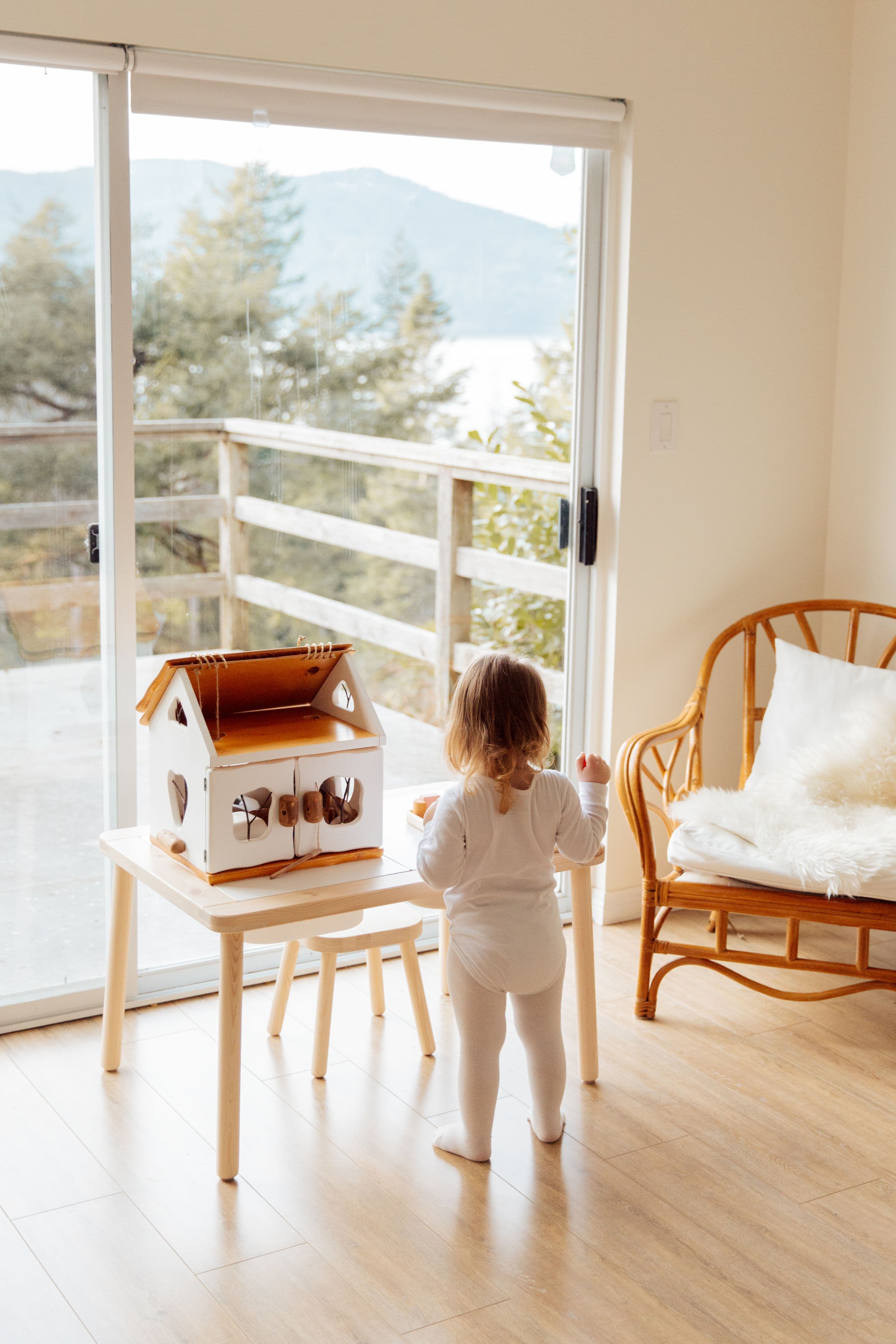
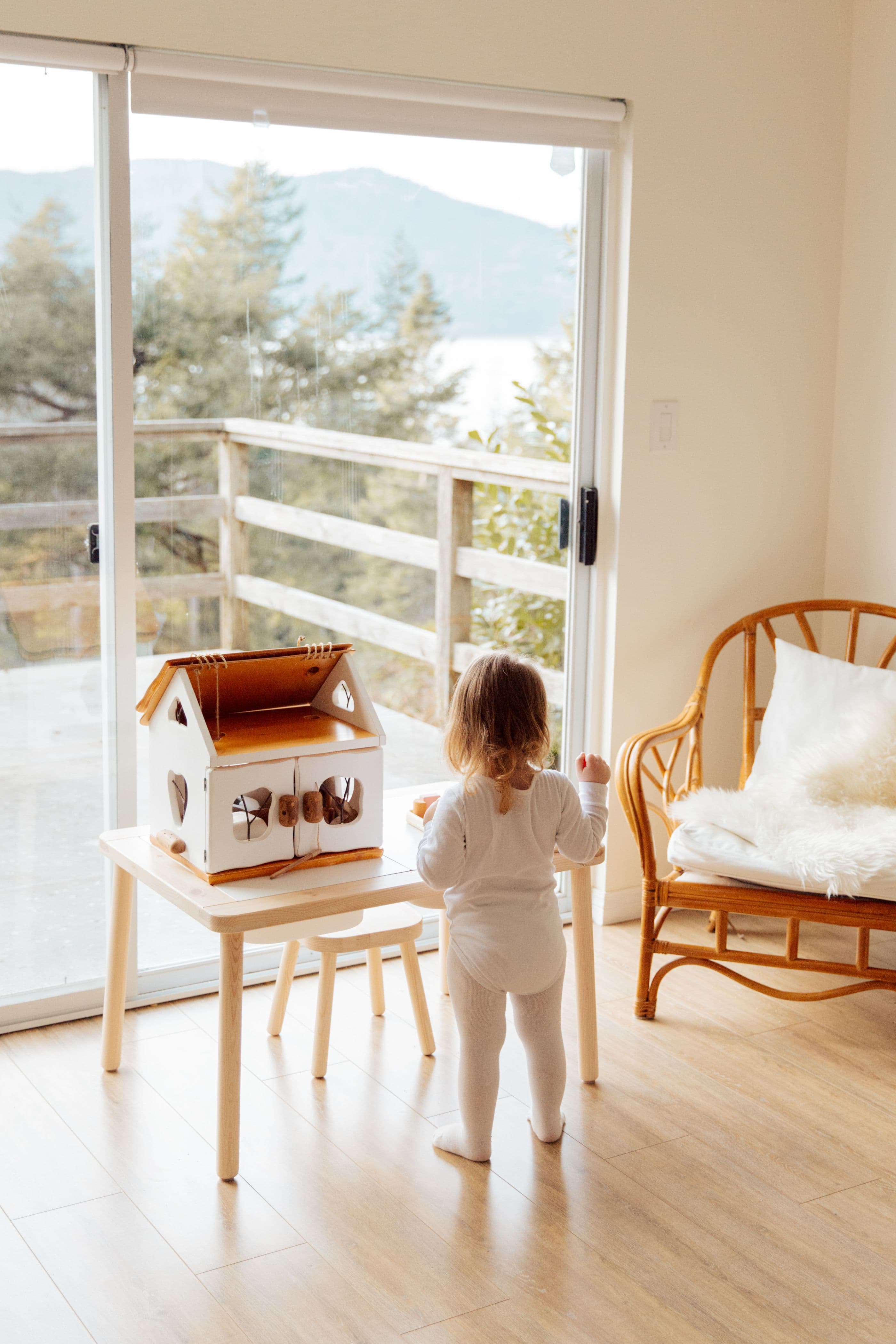
A toddler at a low table by a tall window, playing with a wooden house.

02

Space as the third educator

Rooms are composed at child height, with natural light, honest materials and enough emptiness for an idea to take shape.

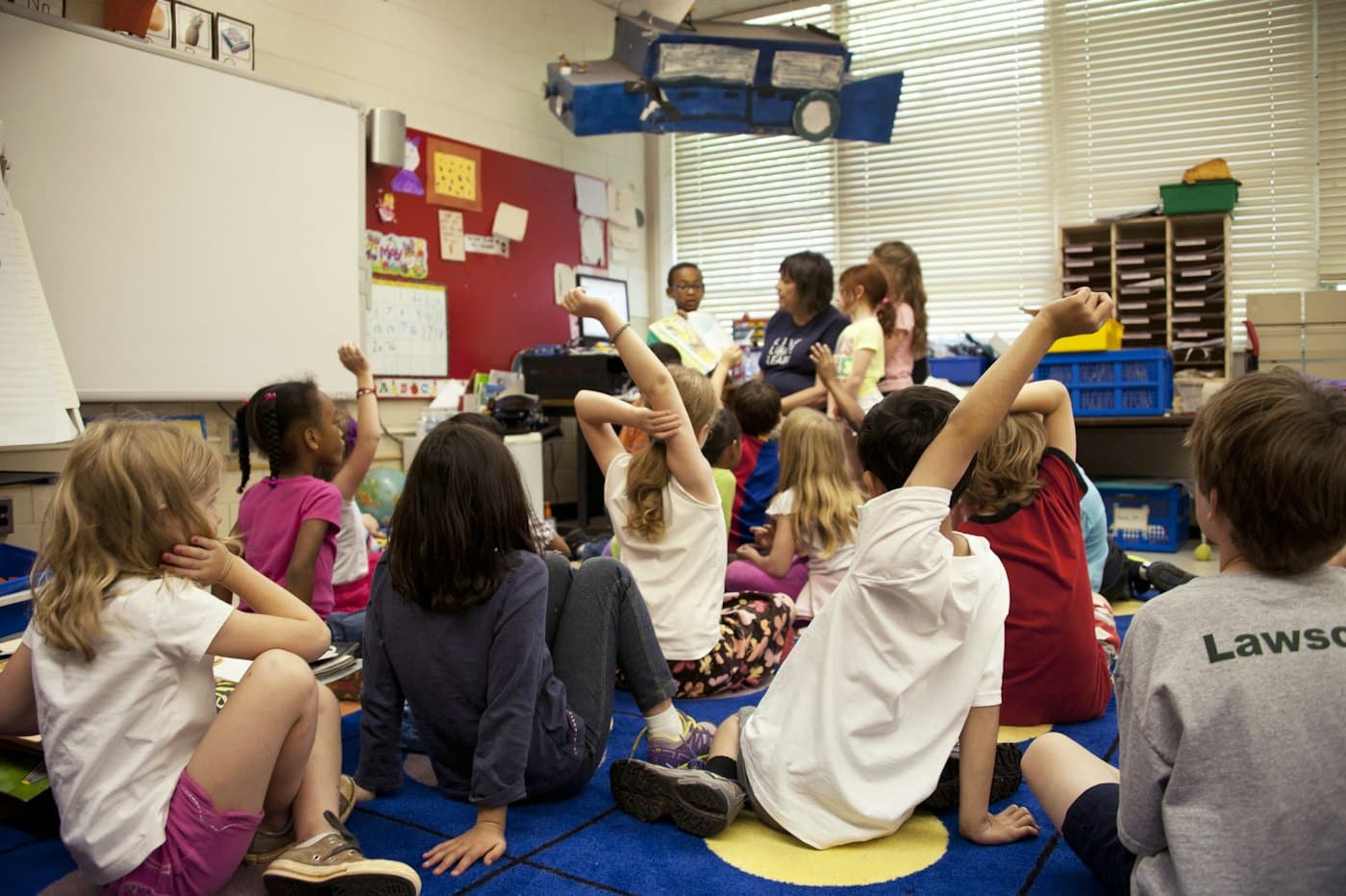
Children sitting together on the floor with educators, seen mostly from behind.

03

Learning through relationships

Understanding grows between children, and between children and adults who have time to listen. Groups stay small so those relationships can last.

A sunlit forest path used as daily outdoor material.
Film still · replace with client footage of the garden

04

Nature as part of the classroom

The garden, the wind off the gulf, collected leaves and water are not extras. They are daily material, in every season.

The spaces

Designed from a child’s point of view.

Paint-laden brushes on a work surface in the light studio.

The light studio

A south-facing room for drawing, projection, colour and slow looking.

42 m² · lime plaster · north and south light

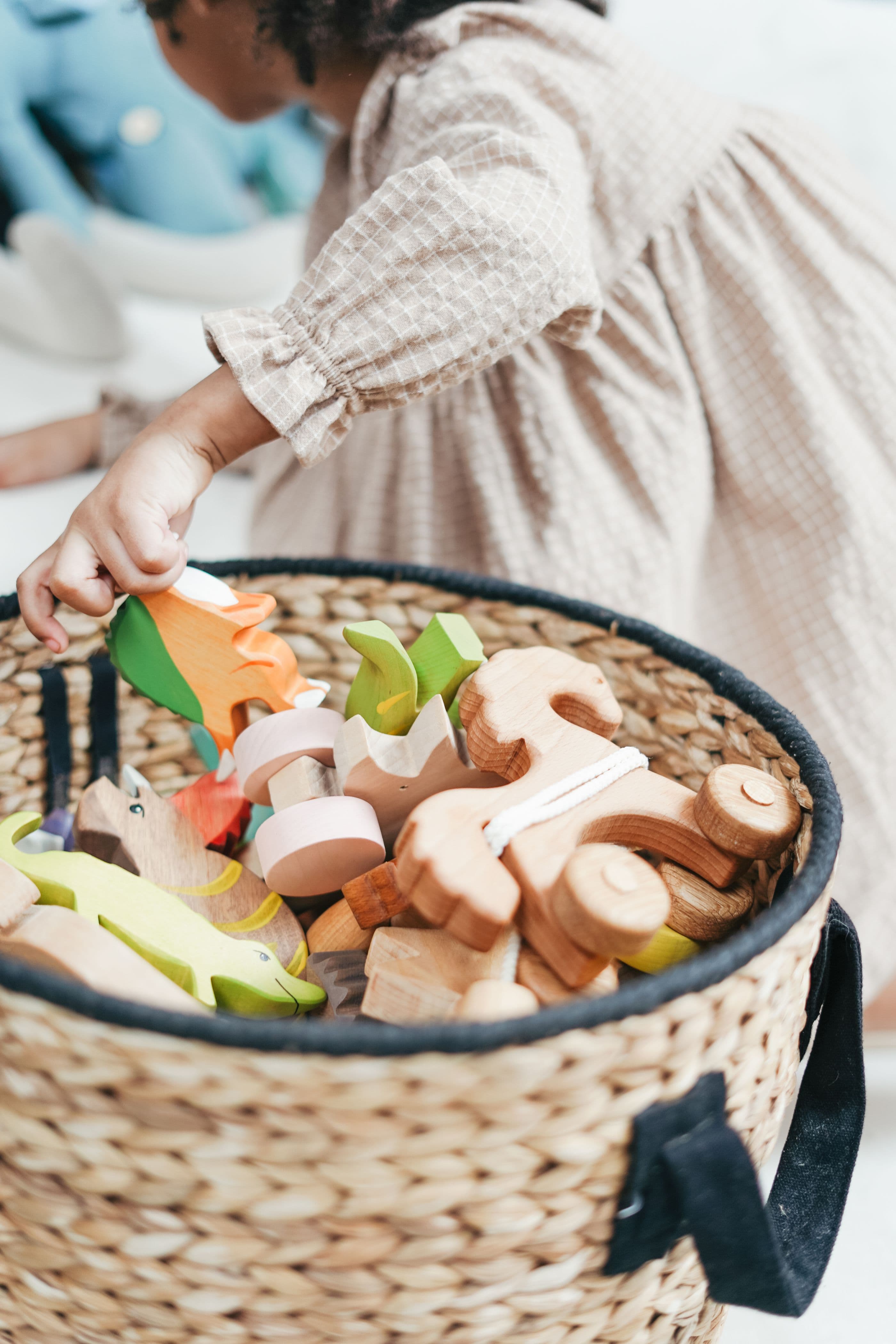
A child reaching into a basket of wooden animals, seen from behind.

The sensory room

Baskets of grain, water, wood and fabric — offered without a script.

28 m² · cork floor · natural fibre

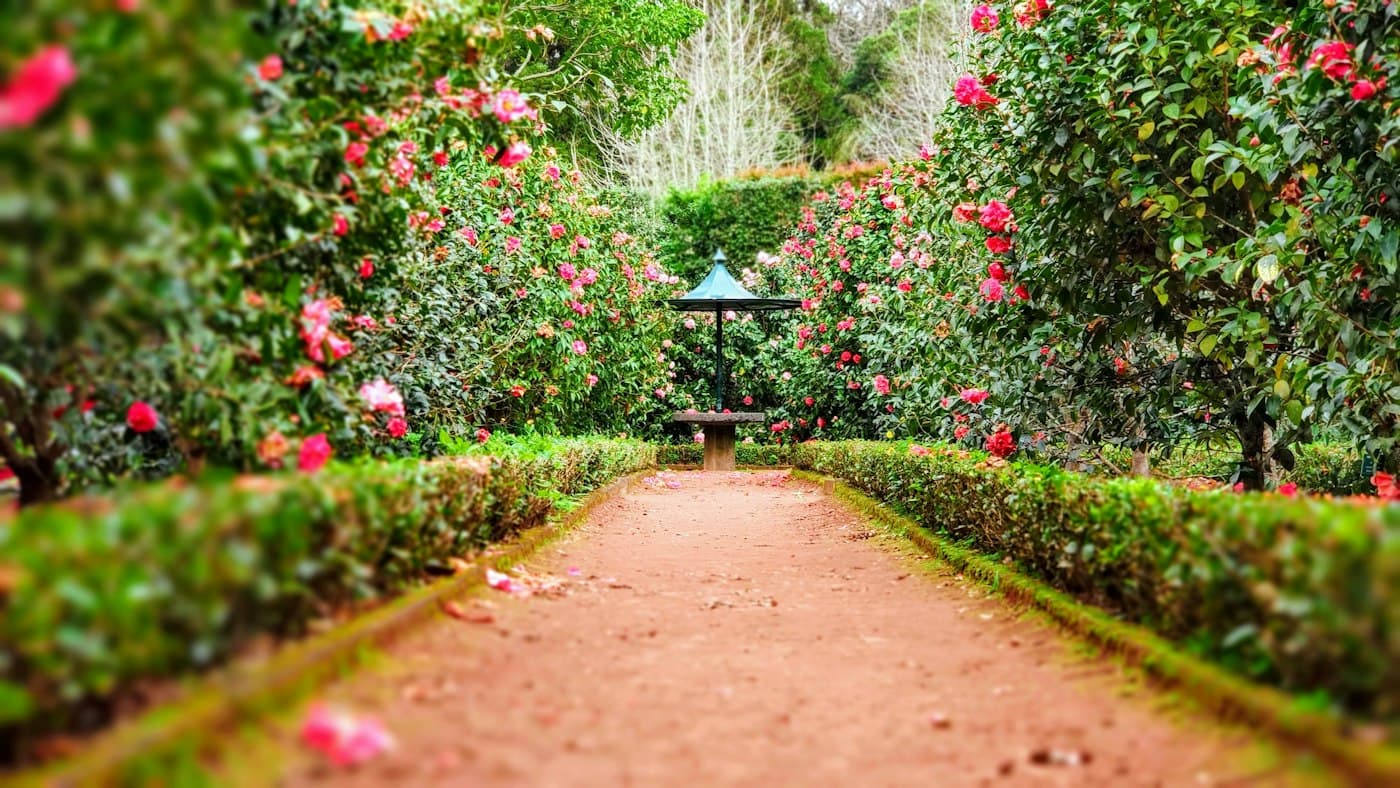
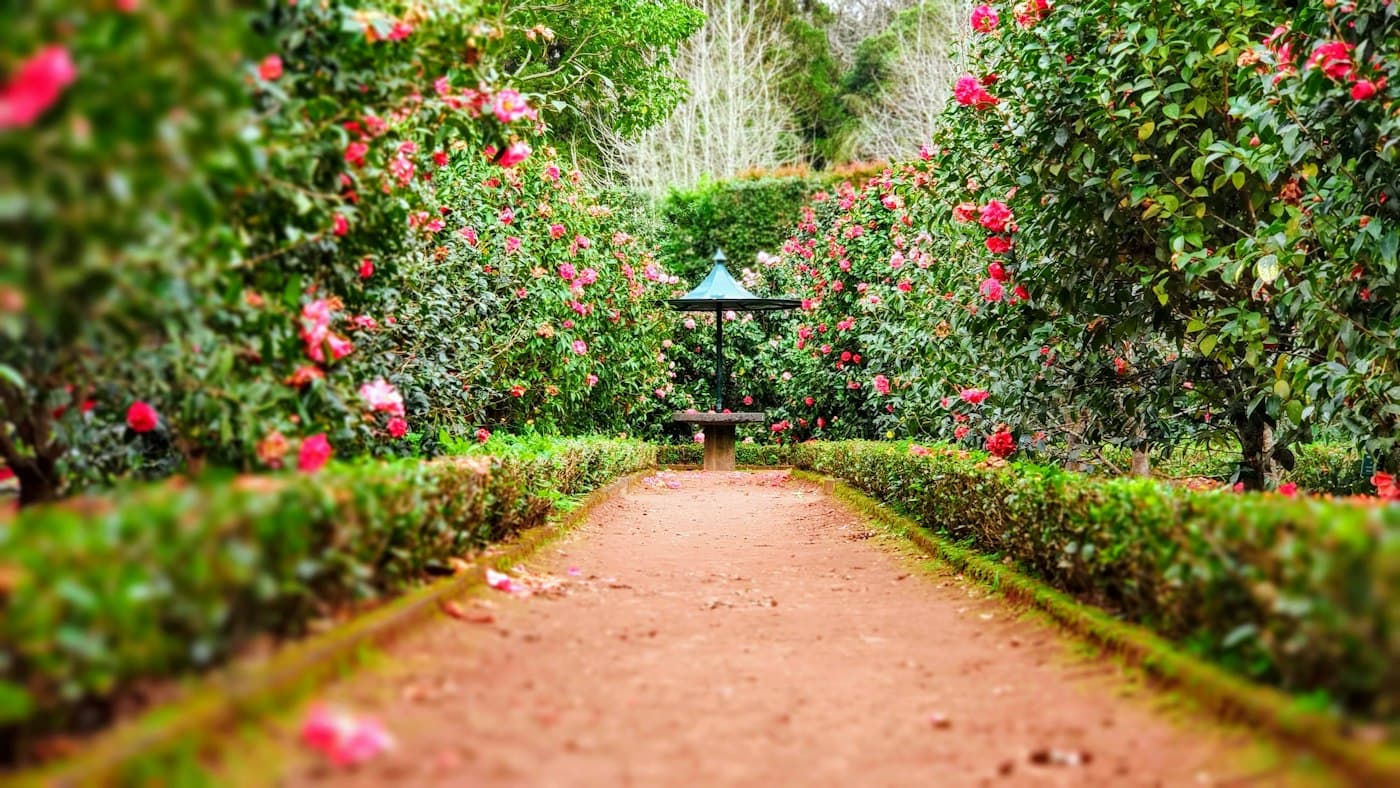
A planted garden path with hedges, flowers and room to walk.

The garden

Shade, soil and enough running space for a morning to change its mind.

180 m² · citrus, herbs, sand and a low wall

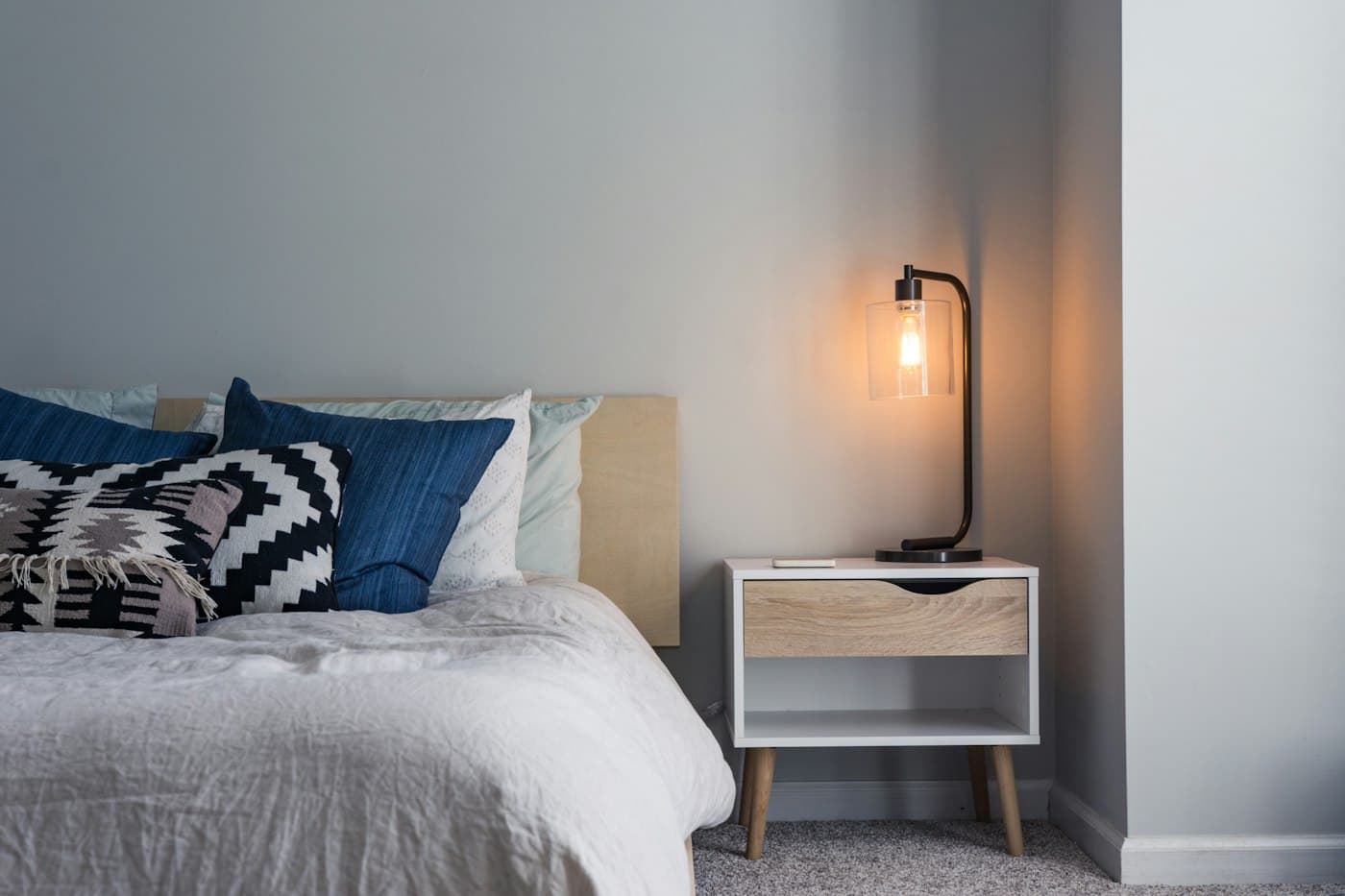
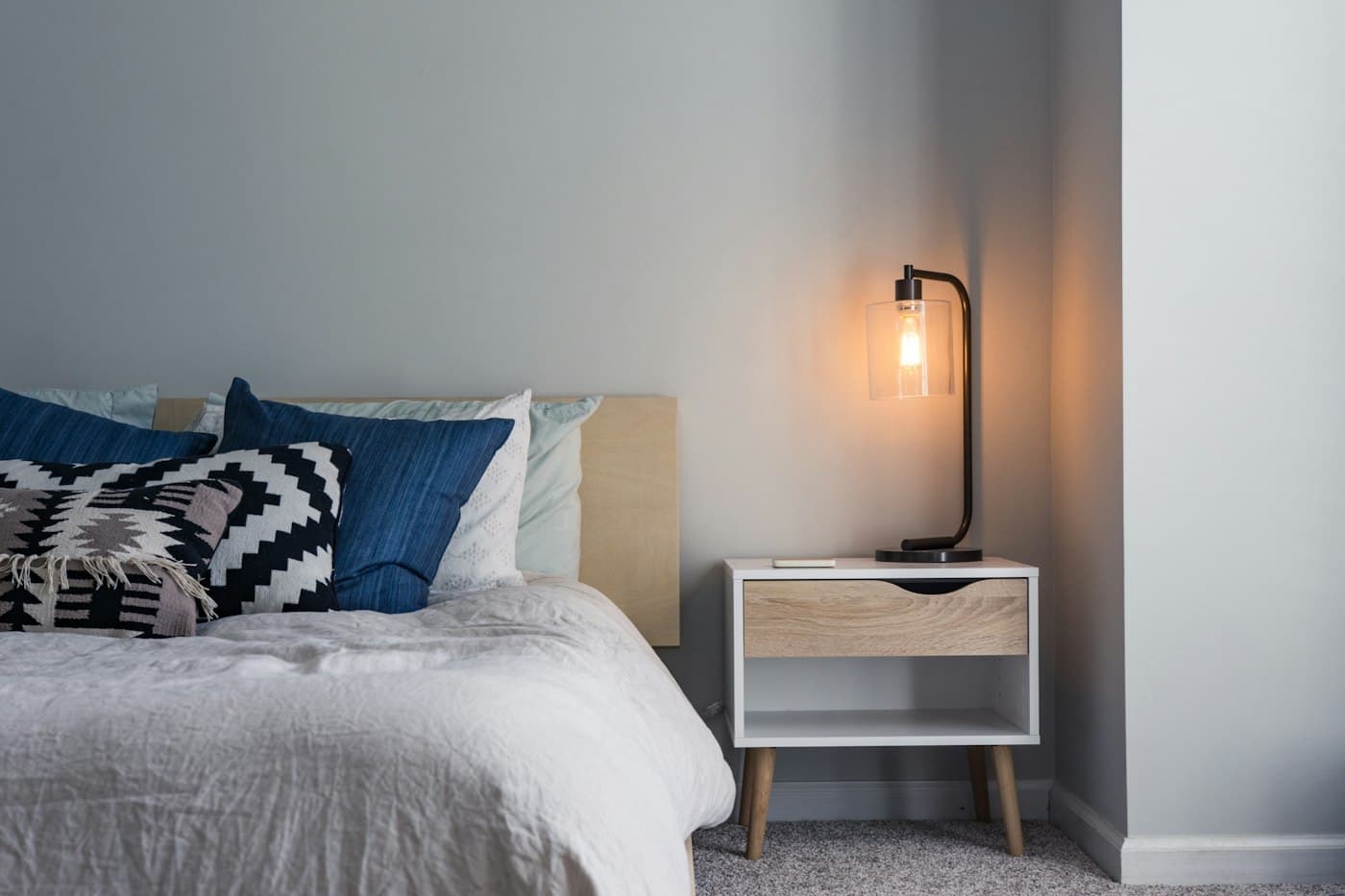
A quiet, linen-dressed room prepared for rest.

The quiet nest

A dimmer room for rest, stories and the youngest children to settle.

24 m² · linen, timber, filtered light

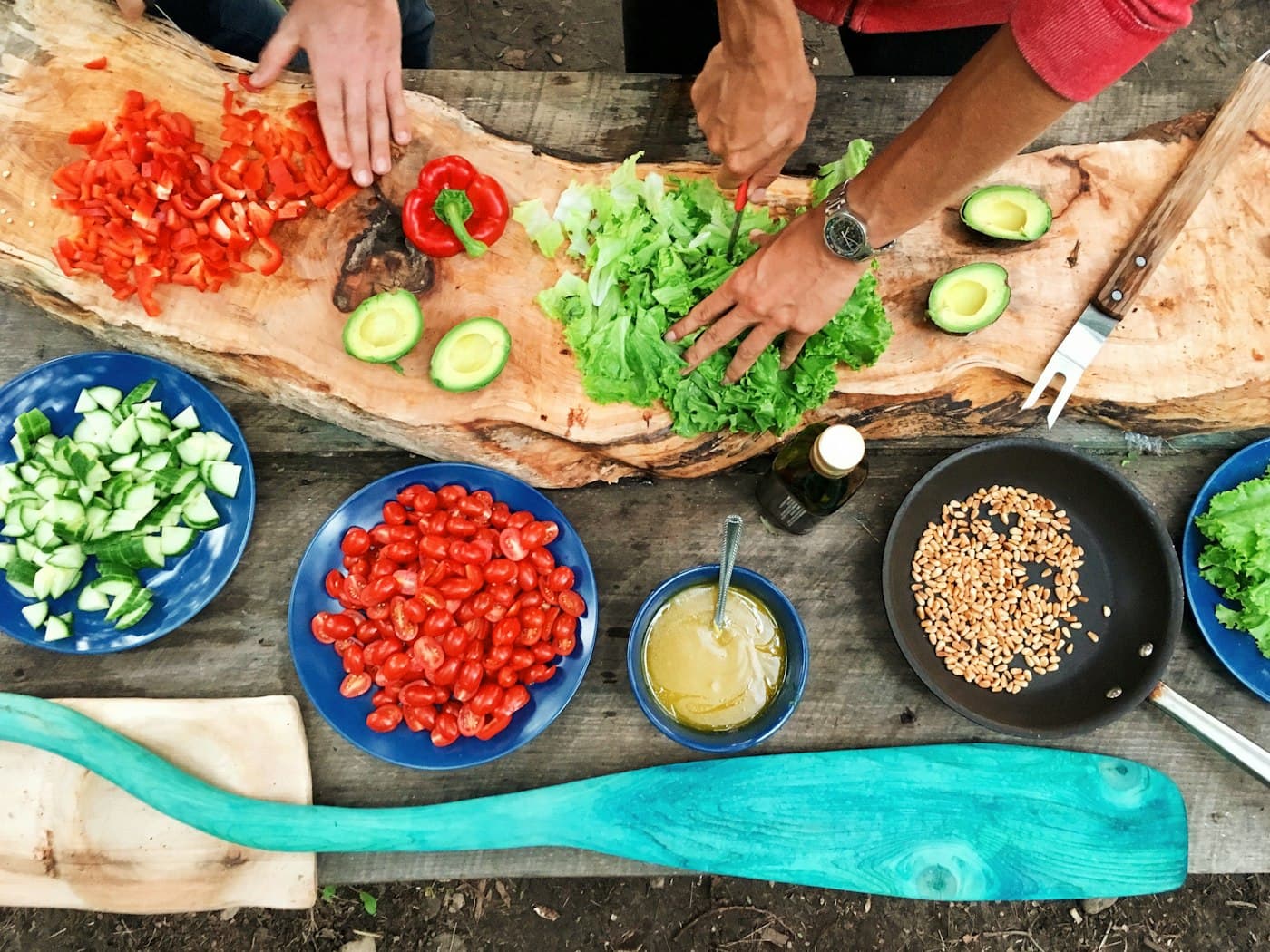
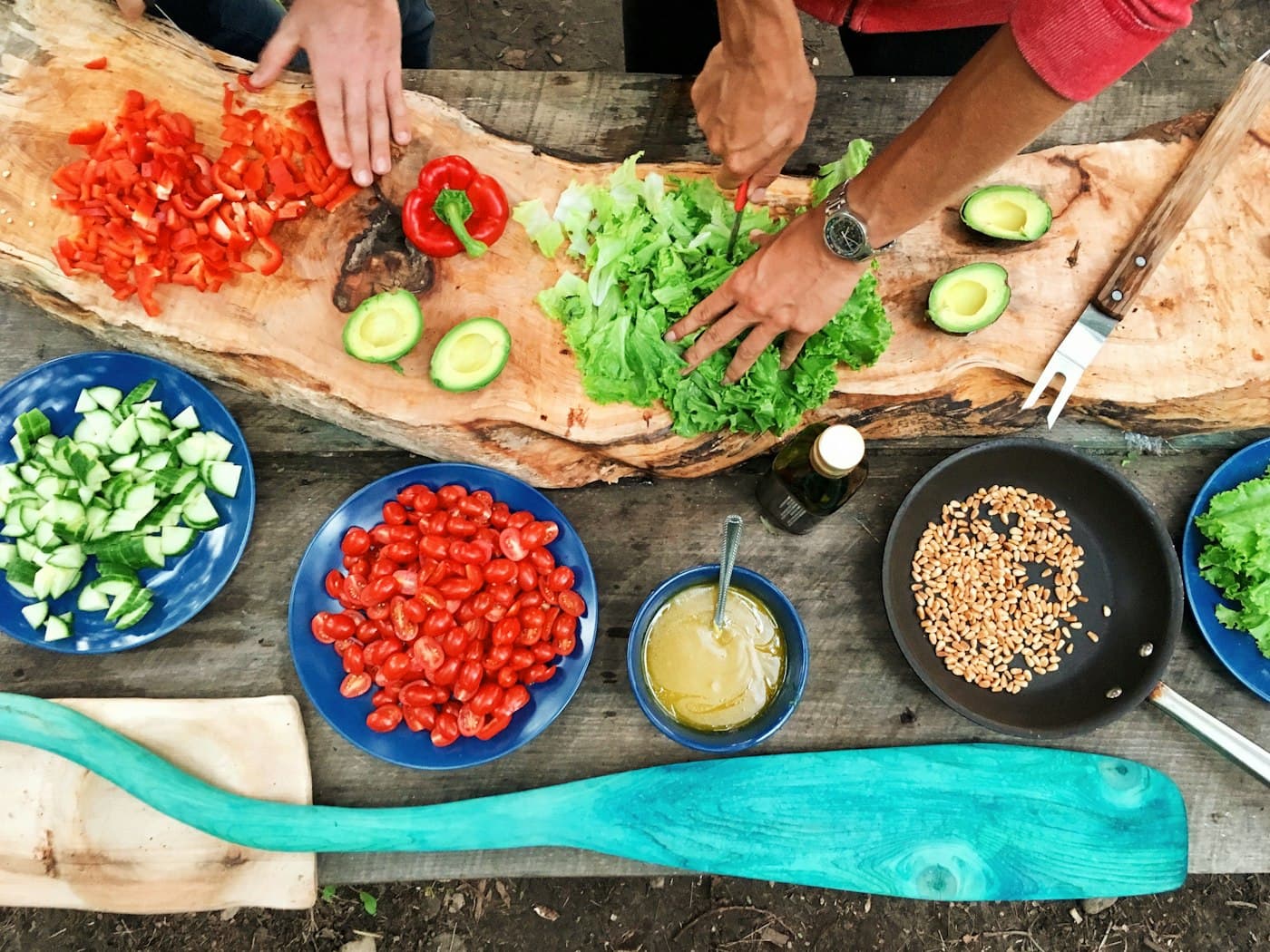
Hands preparing vegetables together on a long wooden table.

The shared kitchen

Where meals are prepared in view, and children set the table themselves.

36 m² · ceramic, wood, a window to the garden

Thick paint on canvas from outdoor atelier work.

The outdoor atelier

Easels, clay and large paper under a pergola — weather as a collaborator.

Pergola 32 m² · stone, canvas, running water

A day at Marea

From the door to the last story.

  1. Children arrive in their own time. Materials are already waiting; no one is marched into a circle.

Morning: a child already at play beside a window.
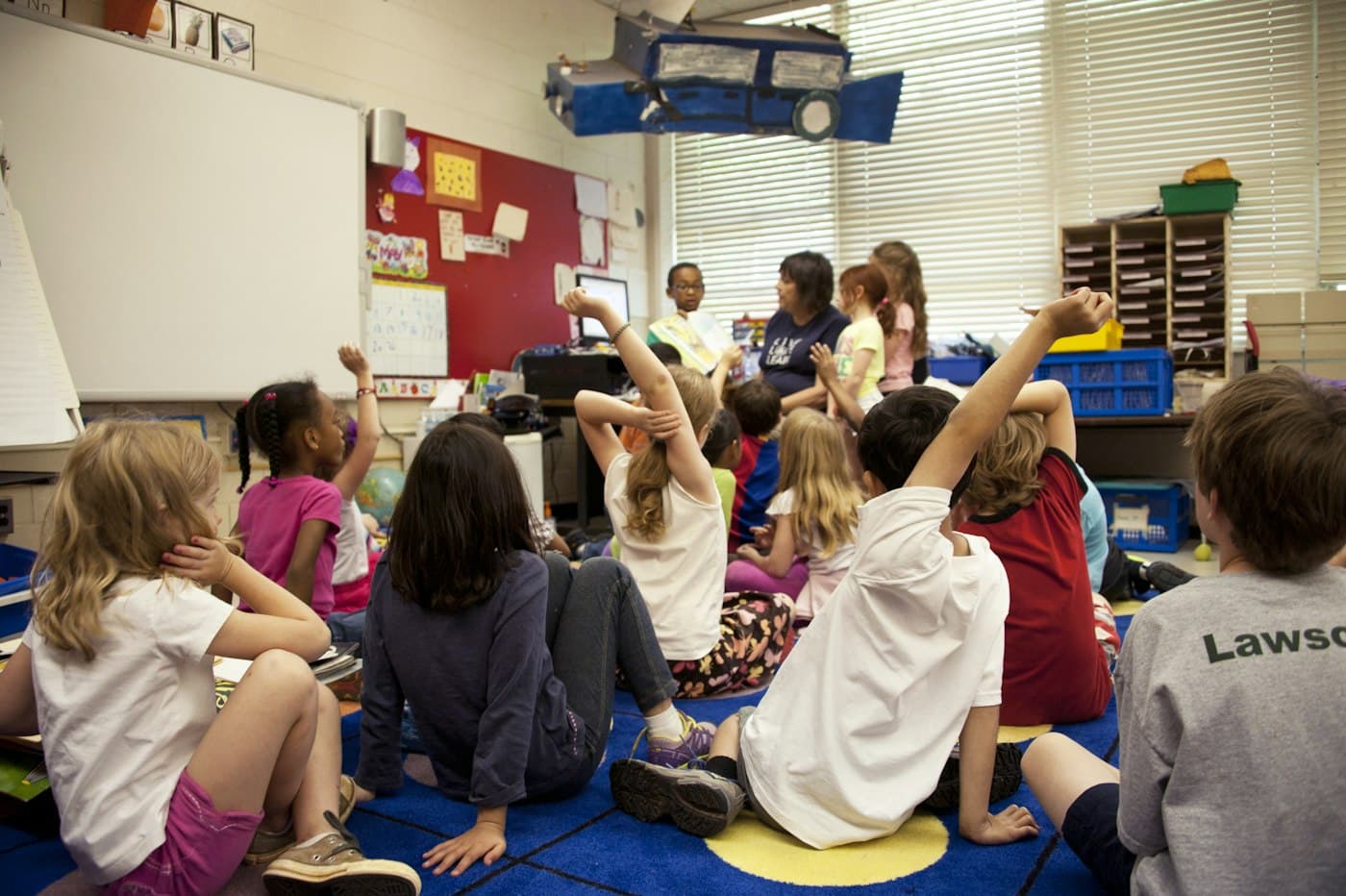
Children gathered on the floor with educators, seen from behind.
Project time: two children painting, absorbed in the work.
Fresh vegetables being prepared for a shared meal.
A quiet room with linen and low light, prepared for rest.
Afternoon in the planted garden.
A figure walking between bookshelves at the end of the day.

08:00

Food

Made here. Shared together.

Seasonal meals are prepared each morning in the shared kitchen. Dietary requirements are held carefully and without fuss. At the table, children pour, pass and sit with one another — lunch is part of the pedagogy, not a pause from it.

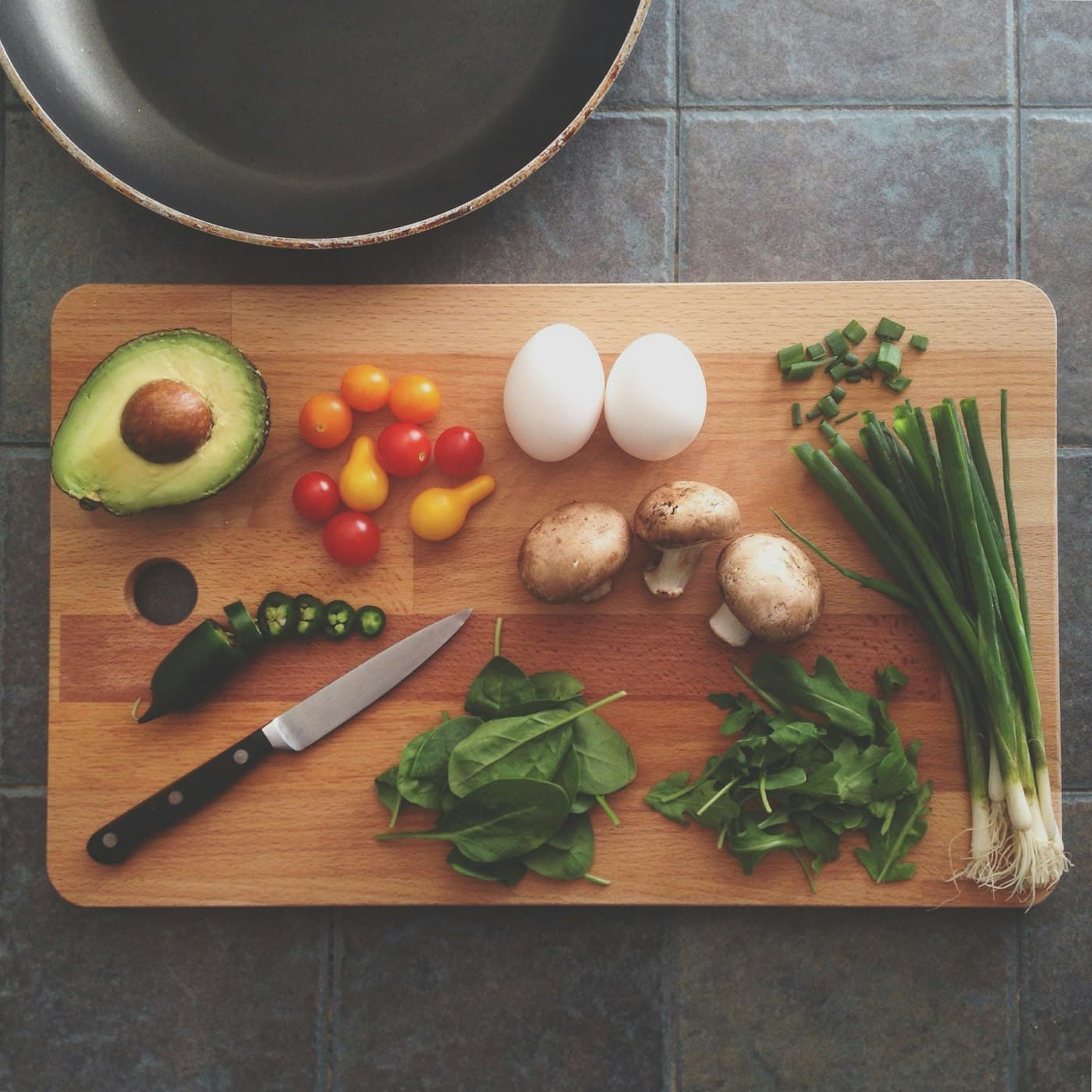
Seasonal vegetables arranged on a wooden board before lunch.

Care

  • Safe arrival and collection

    Each child is received by name at the door. Collection is only with named adults, and the hand-over is unhurried.

  • Rest routines

    Rest is offered, never forced. The quiet nest is prepared the same way every day so the body can recognise it.

  • Parent communication

    A brief written note at the end of the day, and a longer conversation whenever something needs more than a sentence.

  • Hygiene and wellbeing

    Nappies, toileting and handwashing are handled with dignity. If a child is unwell, we call early and keep them comfortable until you arrive.

  • Individual settling-in

    The first weeks are planned with you. Stays lengthen only when the child — not the calendar — is ready.

Our team

People who notice the small things.

The team trains together each week. Pedagogical supervision is ongoing, and families are collaborators rather than an audience at the door.

  • Portrait of Elena Carta, pedagogical coordinator.

    Elena Carta

    Pedagogical coordinator

    Degree in Education · Reggio Children study group

    She still stops in doorways to watch a child finish a thought.

  • Portrait of Giulia Piras, nest educator.

    Giulia Piras

    Nest educator

    Professional educator qualification · infant observation, Tavistock model

    She knows that a nine-month-old can hold a whole conversation with their eyes.

  • Portrait of Marco Loddo, atelierista.

    Marco Loddo

    Atelier teacher

    Academy of Fine Arts · atelier training, Reggio Emilia

    He treats clay, wire and questions with the same seriousness.

  • Portrait of Chiara Melis, garden and movement educator.

    Chiara Melis

    Garden and movement educator

    Sports and movement sciences · forest school leader, level 3

    She would rather follow a snail across the terrace than hurry anyone inside.

Families · demonstration

What I notice most is the way they speak about my daughter: not as a type of child, but as this particular person who arrived this morning with a pocket full of stones.

Sofia R.

Parent of a child in The Nest · demonstration

FAQ

Questions parents actually ask.

We keep a rolling list and confirm places for the following autumn in January. Mid-year places appear when a family relocates. Apply when you are ready; we would rather talk early than rush a beginning.

Yes. Visits are by appointment, usually in the late morning when the atelier is at work. You will meet an educator, walk the rooms and have time for every question. Book through the visit form — this demonstration does not send the request anywhere.

The first days are short and you remain nearby. Hours lengthen only when the child can stay, eat and rest without distress. There is no fixed number of days. We write the plan with you after the first visit.

No. Italian and English are used in the ordinary life of the room — during play, meals and stories — rather than as a separate lesson. Children enter with one language, two, or a mixture. None is treated as a deficit.

Lunch is prepared here each morning from seasonal produce. Allergies and dietary requirements are recorded before the first day and checked by the cook and the room educators. Substitutions are made without calling attention to them at the table.

Monday to Friday, 08:00–16:30. Arrival is unhurried until 09:15. Collection begins from 16:00. We close for two weeks in August and for the usual Italian public holidays.

A change of clothes, a sun hat, and, for the youngest, nappies and milk as agreed. Indoor shoes stay here. Favourite comfort objects are welcome. We provide linen, meals, sun cream and all materials.

A short written note is prepared at the end of each day. Photographs of projects — never posed portraits — are shared weekly. Elena holds a conversation with every family each term, and you may ask for time at the door whenever you need it.

Visit

Come and see the worldfrom down here.

The best way to understand Nido Marea is to experience it. Meet our educators, explore the spaces and ask every question you have.